
How Much Water to Carry Hiking: Plan by Time, Heat, and Refills
Start with estimated time on trail, then adjust for heat, sun, effort, elevation, your own hydration history, and the distance between dependable water sources. A moderate-condition baseline can start near 0.5 liter per hour, but local guidance and real conditions—not a universal calculator—decide the final carry.
A Planning Baseline, Not a Prescription
For an initial estimate, multiply expected hiking time by a moderate-condition rate near 0.5 liter per hour. Then adjust the plan instead of treating the result as exact. National Park Service advice changes with local conditions: its hot-weather hiking guidance for Hawaiʻi Volcanoes advises roughly one-half to one quart per hour in heat, while desert parks may publish route-specific requirements.
Example for planning only
A four-hour hike at 0.5 liter per hour starts at 2 liters. That is only the first line of the plan. Add capacity when current heat, exposure, climbing, a heavy pack, uncertain timing, or unreliable sources make the route more demanding. Reduce the amount carried between points only when a refill is genuinely dependable and you can make it safe to drink.
Hydration needs vary, and both too little and inappropriate overdrinking can be harmful. People with health conditions or medications that affect fluid balance should seek individualized medical advice.
Adjust the Estimate With Six Route Factors
| Planning factor | How it changes the carry |
|---|---|
| Time, not distance alone | Estimate total hours including slower terrain, breaks, navigation, and delay. |
| Heat and sun exposure | Hot, dry, humid, or fully exposed routes can increase fluid needs and reduce safe margins. |
| Effort and pack load | Steep climbing, a faster pace, and a heavier pack can increase heat production and sweat loss. |
| Altitude and acclimatization | Higher elevation and unfamiliar conditions can change the plan and justify more conservative pacing. |
| Reliable refill points | Confirmed potable water or treatable natural sources can reduce the amount carried between stops. |
| Individual history | Body size, medication, health, sweat rate, and previous trips matter more than a generic online answer. |
Use a conservative time estimate. Distance divided by your best pace ignores climbs, rough ground, breaks, route-finding, group speed, and delays. When conditions are unfamiliar, the correct response may be an earlier start, shorter route, cooler time of day, or turnaround plan—not simply loading more water.
Plan Carries Between Sources
On a multi-source route, calculate each dry segment rather than the whole day as one carry. Mark the last dependable source, the next source, the time between them, and the reserve needed if pace slows or the next source is unavailable. The heaviest segment determines required container capacity.
- Is the source currently flowing, accessible, and legal to use?
- Is it potable, or does it require treatment?
- Are there current closures, contamination notices, harmful algal blooms, or chemical hazards?
- Will the treatment method work for the likely organisms and water conditions?
- Do you have enough capacity to reach the next dependable source if this one fails?
Check the land manager's current conditions shortly before departure. A source shown on a map can be seasonal, dry, inaccessible, or unsafe. Ordinary filters also do not solve every chemical or algal hazard. When a source is uncertain, plan as if it is unavailable.
Treat Natural Water for the Actual Risk
The CDC's backcountry water guidance says boiling is the best way to kill germs when water safety is uncertain; the next best option is filtering and then disinfecting the filtered water. Follow the treatment product's instructions and current local advice rather than copying a method without checking what it addresses.
Carry a backup appropriate to the route: spare treatment, enough fuel to boil, or the capacity to bypass a failed source. Keep clean and untreated containers or connections from contaminating each other, and protect filters from freezing when the manufacturer warns that freezing can damage them.
Choose Capacity You Can Monitor
Bottles
Simple to inspect, portion, refill, and replace; confirm the pack pockets keep them secure and reachable.
Reservoir
Convenient for frequent drinking, but remaining volume can be difficult to see without checking the bladder.
Collapsible reserve
Adds capacity for a long dry segment while packing small after the water is used.
Measure what you actually drink and what remains after representative hikes. Record conditions, time, effort, refill use, and unused reserve. That personal log makes the next estimate better without pretending one past trip defines every future need.
Add Water as Consumable Weight in MetaGear
One liter of water adds about one kilogram to trailhead weight. Record each bottle or reservoir with its full starting volume and mark the water as consumable. MetaGear keeps that changing load separate from base weight while still showing total trailhead weight—the number your pack and footwear must carry at the start.
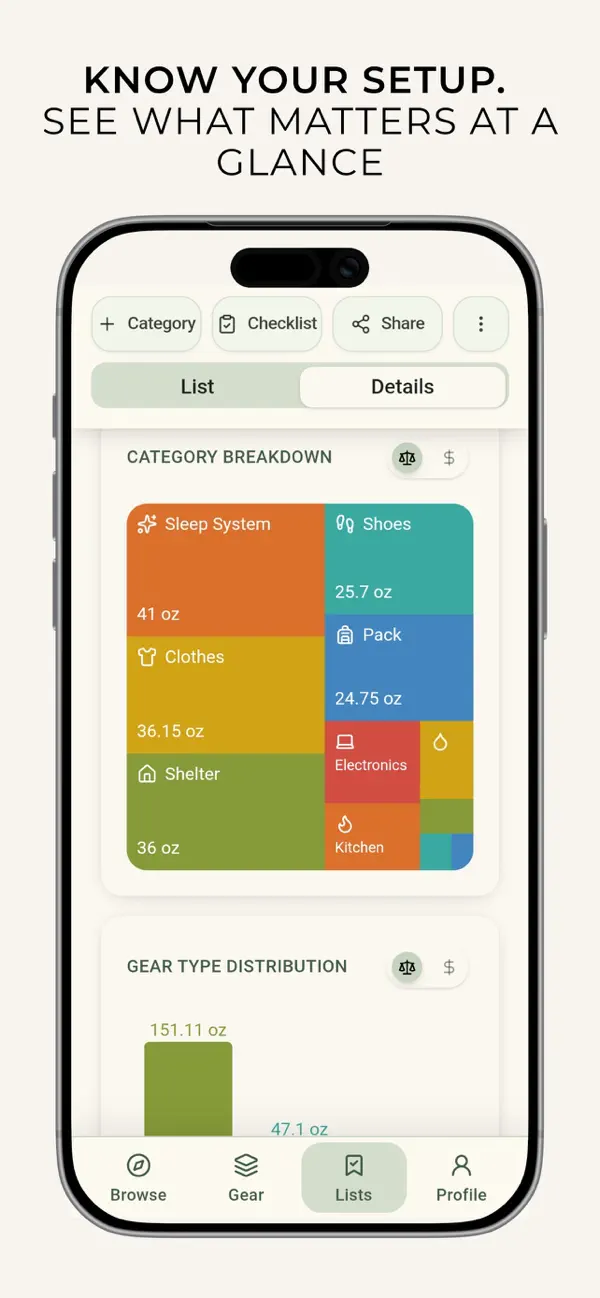
Connect the water plan to the route-based day-hike checklist or full backpacking checklist. On packing day, verify the amount inside each container—not merely that an empty bottle appears on the list.
Frequently Asked Questions
How much water should I carry per hour of hiking?
A common planning baseline for moderate hiking is around 0.5 liter per hour, but it is not a universal prescription. Heat, exposure, effort, altitude, body size, health, and refill reliability can increase the amount. Follow current local land-manager guidance and use your own measured experience.
Is 2 liters of water enough for a day hike?
It may be enough for a shorter hike in moderate conditions, but it may be inadequate for a long, hot, exposed, or strenuous route. Estimate time, check current local advice, account for refill points, and keep a reserve for delay rather than choosing capacity from the label “day hike.”
How much does hiking water weigh?
One liter of water weighs about one kilogram, or 2.2 pounds, before the container. That makes water one of the largest changing parts of trailhead weight and a strong reason to plan reliable refill points instead of carrying an arbitrary maximum.
Can I drink water from a stream after filtering it?
Do not assume every natural source becomes safe through filtration alone. The CDC recommends boiling when possible or filtering and then disinfecting when water safety is uncertain. Local chemical or algal hazards may not be removable with ordinary backcountry treatment, so check current land-manager notices.
Should I carry bottles or a hydration reservoir?
Bottles make remaining volume easy to see and can be simple to refill; reservoirs make frequent drinking convenient but can hide the amount left. Either can work. Many hikers combine accessible bottles with collapsible reserve capacity and choose the system they can monitor and treat reliably.